Undergrowth Removal in Atlanta, GA
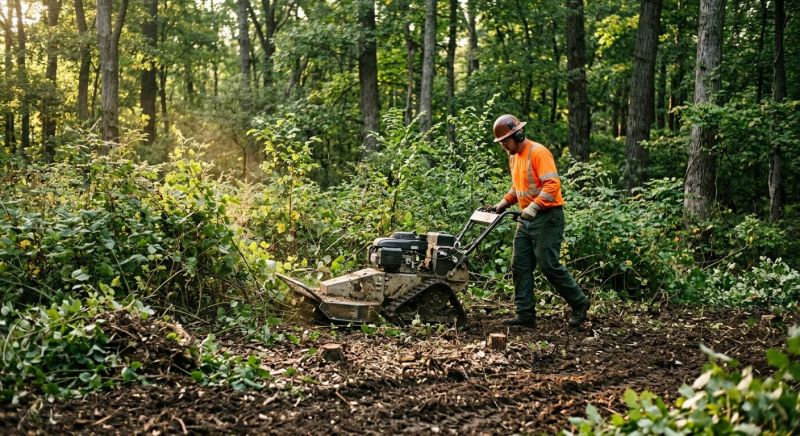
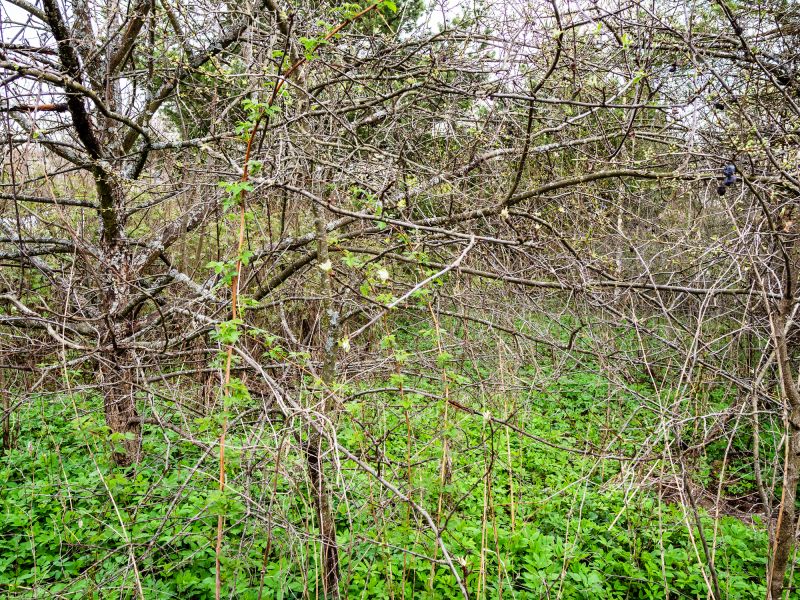
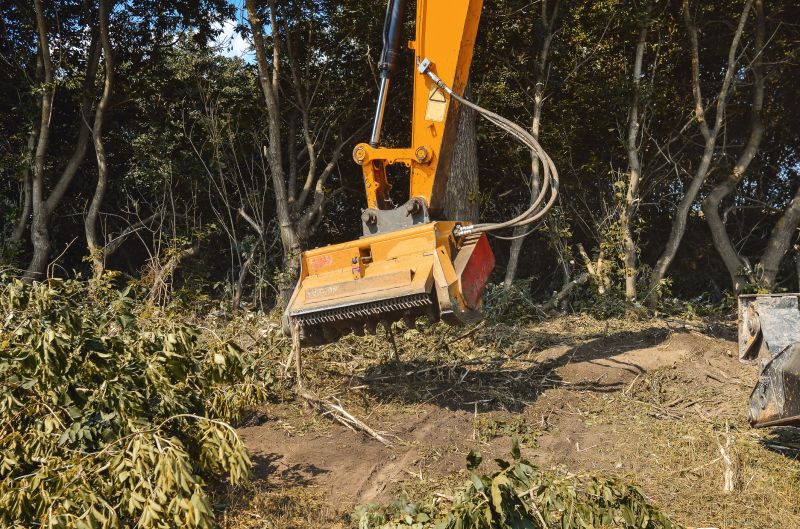
Undergrowth removal services involve clearing dense vegetation, shrubs, and small trees that can encroach on a property’s landscape or hinder access to certain areas. This service is often requested for projects such as preparing a yard for new landscaping, maintaining visibility around structures, or preventing overgrowth from attracting pests. Property owners typically want to understand the extent of the overgrowth, the types of plants involved, and the best methods for removal to ensure the land remains healthy and accessible.
Before requesting undergrowth removal, homeowners should consider the size and density of the area, as well as any existing plants or trees they wish to preserve. It’s also helpful to determine whether the goal is to clear the space completely or to selectively remove certain vegetation. Understanding the scope of the project and any specific concerns will assist in planning the most effective approach for maintaining a safe and well-kept landscape.
Many property owners in Atlanta, GA look into Undergrowth Removal for repairs, replacements, upgrades, and appearance-related improvements.
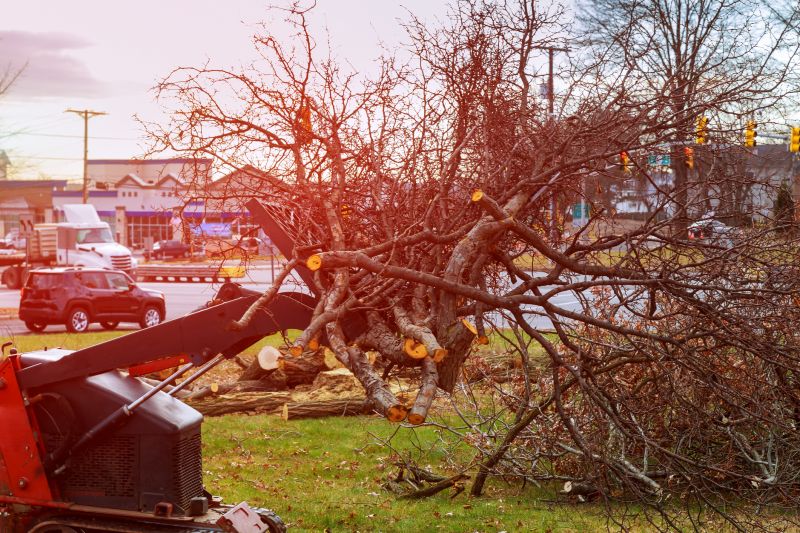
Benefits Of Undergrowth Removal
Removing overgrown plants helps improve safety and enhances the appearance of your yard.
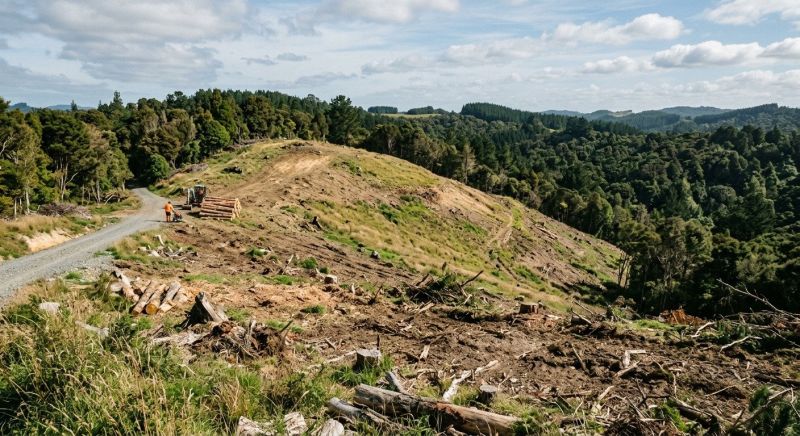
Common Undergrowth Challenges
Property owners often deal with invasive plants, tangled brush, and unwanted weeds in their landscapes.
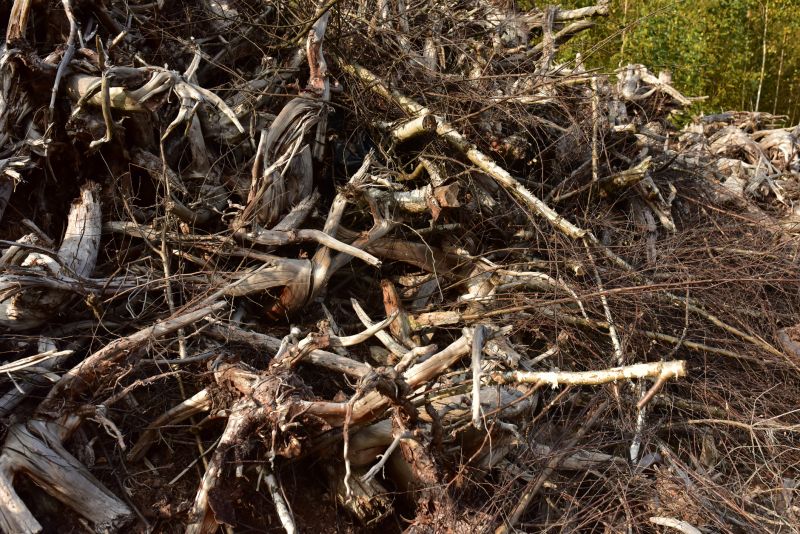
Ideal Projects For Undergrowth Removal
This service is suitable for clearing neglected areas, preparing land for new landscaping, or maintaining property aesthetics in atlanta, ga.
Undergrowth Removal in Atlanta, GA
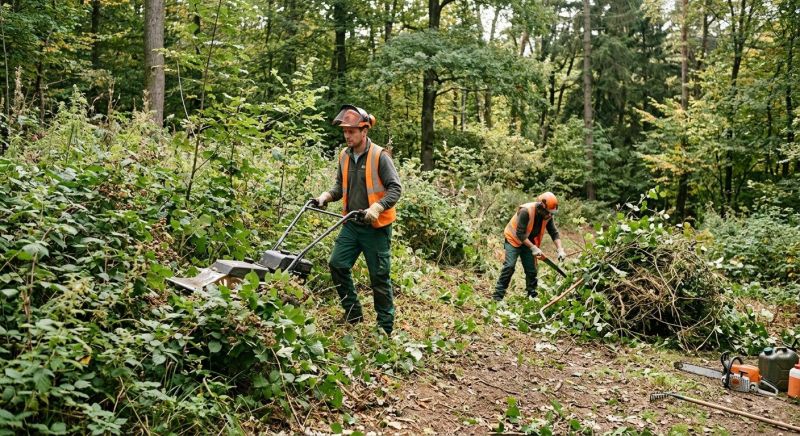
Undergrowth removal services involve clearing dense vegetation, shrubs, and small trees that can encroach on a property’s landscape or hinder access to certain areas. This service is often requested for projects such as preparing a yard for new landscaping, maintaining visibility around structures, or preventing overgrowth from attracting pests. Property owners typically want to understand the extent of the overgrowth, the types of plants involved, and the best methods for removal to ensure the land remains healthy and accessible.
Before requesting undergrowth removal, homeowners should consider the size and density of the area, as well as any existing plants or trees they wish to preserve. It’s also helpful to determine whether the goal is to clear the space completely or to selectively remove certain vegetation. Understanding the scope of the project and any specific concerns will assist in planning the most effective approach for maintaining a safe and well-kept landscape.
Many property owners in Atlanta, GA look into Undergrowth Removal for repairs, replacements, upgrades, and appearance-related improvements.
Common Undergrowth Removal Jobs
Undergrowth Removal - clearing overgrown plants and bushes to improve yard appearance.
Brush Clearing - removing dense brush to create open space for landscaping or recreation.
Vegetation Control - managing invasive or unwanted plants that threaten property aesthetics.
Wild Growth Removal - eliminating unmanaged growth that can attract pests or cause damage.
Yard Thinning - reducing excessive undergrowth to enhance safety and accessibility.
Overgrowth Maintenance - ongoing removal of excessive plants to keep landscapes tidy and healthy.
Undergrowth Removal Questions
What is undergrowth removal? Understory removal involves clearing dense plants, shrubs, and small trees to improve yard appearance and health.
When should property owners consider undergrowth removal? It is typically done to reduce fire hazards, improve landscaping, or prepare for new planting projects.
What types of projects benefit from undergrowth removal? Clearing overgrown areas, creating firebreaks, or maintaining open spaces are common reasons for this service.
What should homeowners know before scheduling undergrowth removal? Proper planning ensures that desirable plants are preserved and the area is safely cleared for future use.
Request Undergrowth Removal in Atlanta, GA
Use the quote form on this page to share the basics of your project and request more information for the type of work you need.